Poonno: The Handwritten Font with a Warm, Friendly Vibe
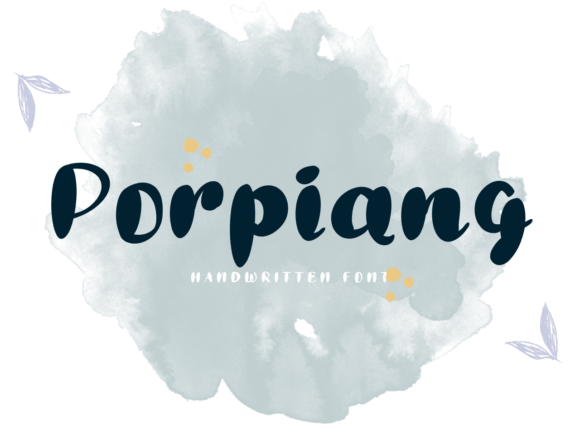
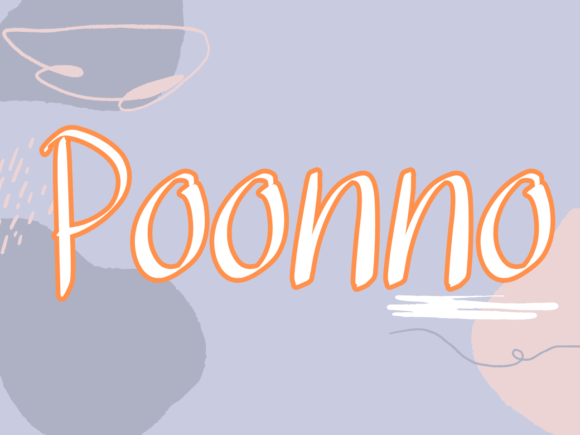
There’s something immediately inviting about a handwritten font. It feels personal, approachable, and human—qualities that can be hard to capture in digital design. Poonno is a sweet and friendly handwritten font that brings that exact warmth to your projects. Its natural, flowing style isn’t just another script font; it carries a unique character that feels both relaxed and intentional, making it a surprisingly versatile asset for a huge range of creative work.
Whether you’re a designer crafting a brand identity, a small business owner creating packaging, or a content creator looking for that perfect touch for social media graphics, finding a typeface that feels authentic can be a game-changer. Poonno’s charm lies in its ability to feel handcrafted without sacrificing clarity. It’s the kind of creative font that can make a logo feel more memorable, a blog header more engaging, and a wedding invitation more heartfelt. Let’s explore how this specific handwritten font can become a staple in your design toolkit.
More Than Just a Pretty Script: Where Poonno Truly Shines
Understanding a font’s personality is key to using it effectively. Poonno isn’t a formal calligraphy script or a casual scrawl; it sits in a sweet spot that balances personality with professionalism. This makes it suitable for projects that need a touch of humanity without looking unpolished. Think of it as the friendly handshake of typography—welcoming and confident.
For Branding and Logo Design: A brand’s logo is its face. Using Poonno for a logo, especially for businesses in lifestyle, wellness, food, or artisanal goods, can instantly communicate approachability and care. It helps build brand recognition by creating a distinct, friendly visual signature. Imagine it on a bakery’s logo, a boutique coffee label, or the masthead of a personal blog—it sets a tone before a single word of copy is read.
In Packaging and Print Materials: Physical products benefit enormously from thoughtful typography. Poonno can make product labels, thank-you cards, and packaging inserts feel personal and considered. For a small business, this level of detail in your packaging design shows customers you care about the entire experience, turning a simple box into a memorable brand touchpoint.
Across Digital and Social Media: In the fast-scrolling world of Instagram or Pinterest, a graphic that feels human stands out. Poonno is excellent for social media graphics, quotes, sale announcements, and story highlights. Its readability at various sizes makes it practical for both large headlines and shorter captions. For bloggers and content creators, using this font consistently in featured images and graphics helps build a cohesive and recognizable visual style across their platforms.
Practical Tips for Pairing and Using a Handwritten Font
While Poonno is a standout premium font on its own, its true power is often unlocked through smart pairing and thoughtful application. Here’s how to integrate it effectively into your design projects.
Balance is Everything: A handwritten font like Poonno is best used for headlines, logos, and accent text. For body copy or longer paragraphs, pair it with a clean, highly readable serif font or sans serif font. This contrast ensures your design is both eye-catching and easy to read. For example, a website might use Poonno for the main heading and a simple sans-serif like Montserrat or Lato for the paragraph text. This pairing creates visual interest without sacrificing functionality.
Test for Readability: Always test your font choices in context. How does Poonno look on a mobile screen versus a printed brochure? Is it clear at the size you intend to use it? For web design, ensure there’s enough contrast against the background. For print, check how it reproduces on different paper stocks. A font that looks perfect in a design file might need adjustments in tracking (letter-spacing) or size for its final application.
Explore the Included Styles: Many professional font families, including quality script fonts, come with alternate characters, ligatures, or stylistic sets. If Poonno includes these, take the time to explore them in your design software. These extras can help you customize the look, avoid repetitive letter shapes, and make your typography feel even more unique and tailored to your specific project.
Understand the License: Before using any commercial font in a client project or for merchandise you sell, always review the licensing. Ensure the license covers your intended use, whether it’s for digital products, print-on-demand items, or client deliverables. This is a crucial step in professional and ethical design practice.
From Digital Products to Editorial Layouts: A Font of Many Talents
The applications for a versatile creative font like Poonno extend far beyond logos and social media. Its friendly demeanor makes it ideal for a variety of projects where connection is key.
Consider using it for:
- Digital Products: E-books, workbooks, and online course materials can feel more engaging and less sterile with a handwritten accent font for titles or chapter headings.
- Invitations and Event Stationery: From digital invitations to printed save-the-dates, Poonno sets a celebratory and personal mood right from the start.
- Editorial Design: In magazines or blog layouts, it can be used for pull quotes, section dividers, or article titles to break up blocks of text and add visual rhythm.
- Merchandise: T-shirts, mugs, and tote bags with witty or heartfelt phrases often rely on handwritten fonts to convey the message with the right tone.
- Marketing Assets: Email headers, webinar slide titles, and promotional posters can benefit from the approachable feel of Poonno, making marketing materials feel less corporate and more conversational.
Ultimately, the goal of modern typography is to communicate a message effectively while evoking the right emotion. Poonno, as a sweet and friendly handwritten font, provides a direct line to that emotional resonance. It’s a design asset that doesn’t just display words—it helps tell your story. By understanding its strengths and applying it with intention, you can use this typeface to create more engaging, recognizable, and human-centered designs across all your creative projects.