Oakley: The Handwritten Font That Feels Like a Friend
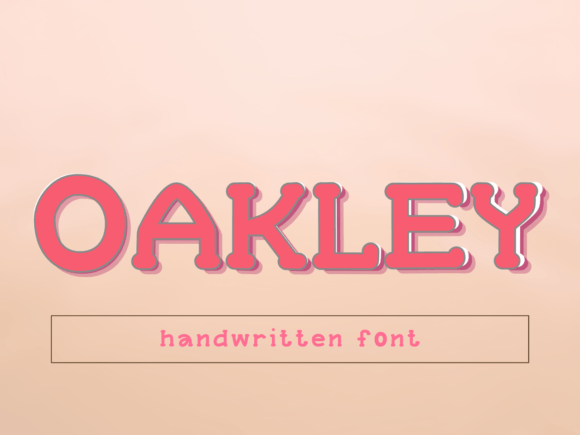
There’s a particular magic in a font that feels human. In a digital landscape often dominated by sharp geometric sans-serifs and impeccably structured serifs, a typeface with genuine warmth can be the secret ingredient that makes a project resonate. Oakley is exactly that kind of font. It’s a sweet, friendly handwritten style that manages to feel both personal and polished, like a note from someone you trust. Its natural, unique character isn’t about being overly ornate or whimsical; it’s about capturing an authentic, approachable vibe that connects on an emotional level. This makes it an incredibly versatile tool for designers and creators who want to inject a dose of personality into their work without sacrificing professionalism.
A Typeface with Personality, Not Just Pretty Letters
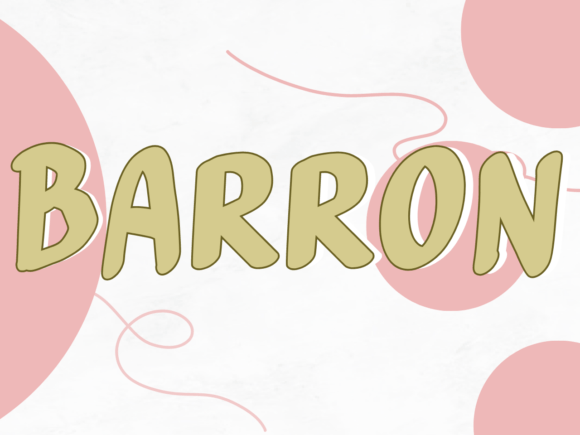
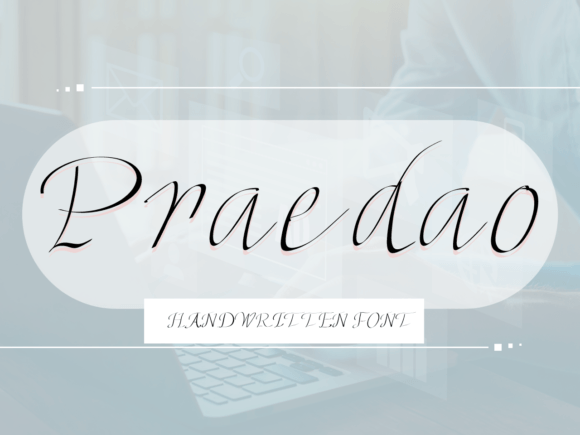
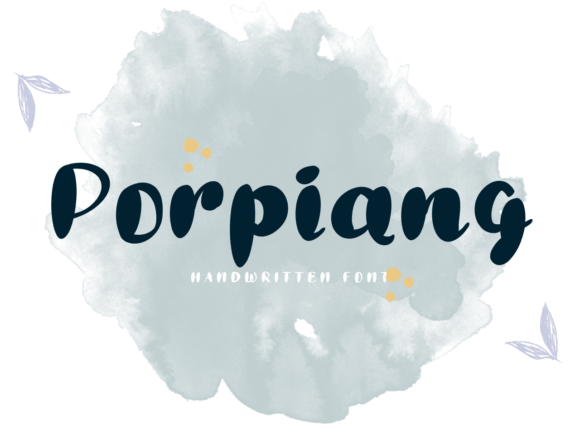
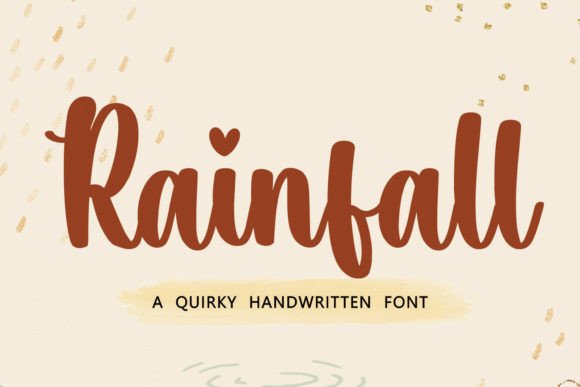
What sets Oakley apart from a crowded field of script and handwritten fonts is its balance. It has the casual, flowing quality of genuine handwriting—the slight variations in stroke and the organic rhythm—but it’s rendered with enough consistency and clarity to function beautifully in design applications. You won’t struggle to read it in a logo or on a product label. This duality is key. It feels authentic and crafted, not like a default computer script. Think of it as the typography equivalent of a well-worn leather journal or a friendly, confident signature. It conveys creativity, care, and a personal touch, making it ideal for projects where you want to bridge the gap between the digital and the human.
From Brand Identity to Social Media: Where Oakley Shines
The practical applications for a font like Oakley are vast, precisely because its friendly demeanor adapts to so many contexts. Let’s move beyond theory and look at where it truly delivers value.
- Branding & Logo Design: For small businesses, boutiques, cafes, or artisanal brands, Oakley can form the core of a memorable logo. It instantly communicates a hands-on, quality-focused ethos. Paired with a clean sans-serif for body text, it creates a brand identity that is both distinctive and highly legible across all touchpoints.
- Packaging Design: On a product label or box, Oakley can highlight a brand name or a key message like “Handcrafted” or “Made with Love.” It adds shelf appeal by making the product feel personal and curated, helping it stand out from competitors using more sterile typography.
- Social Media Graphics & Websites: In the fast-scrolling world of Instagram or Pinterest, a headline or quote set in Oakley can stop the scroll. It’s perfect for creating engaging quote graphics, blog post titles, or call-to-action buttons that feel inviting rather than demanding. On a website, it works brilliantly for hero section headers or accent text, adding warmth to the user experience.
- Print & Editorial Layouts: For magazines, lookbooks, or invitations, Oakley excels at creating elegant subheadings, pull quotes, or mastheads. It adds a layer of sophistication and personality to editorial design without compromising the readability of longer body copy set in a complementary serif or sans-serif font.
- Merchandise & Marketing Assets: Think t-shirts, tote bags, mugs, or promotional posters. Oakley’s unique style translates well to physical merchandise, giving products a cohesive and branded feel. It’s also excellent for creating cohesive marketing materials like email headers or sales graphics that maintain a consistent brand voice.
Making It Work: Practical Tips for Using Oakley
Choosing a great font is only half the battle. Using it effectively is what elevates your project. Here’s how to get the most out of Oakley and similar creative fonts.
Font Pairing is Everything. Never use a decorative font like Oakley for long paragraphs of text. Its strength is in headlines, logos, and short, impactful phrases. The key is to pair it with a highly readable typeface for body copy. A simple, neutral sans-serif (like Lato, Open Sans, or Montserrat) or a classic serif (like Lora or Merriweather) will create a beautiful contrast, allowing Oakley’s personality to pop without overwhelming the reader. This pairing is fundamental to creating visual hierarchy and ensuring your design is both beautiful and functional.
Test for Readability in Context. Always view your font choices at the actual size they’ll be used. A typeface that looks stunning in a 72-point headline on your screen might become an illegible blur when reduced to a 14-point caption on a mobile phone. Test Oakley across different devices and in different mockups to ensure it maintains its charm and clarity in every application, from a website banner to a printed brochure.
Explore the Included Styles. Many premium fonts, including Oakley, often come with more than one style. Check if it includes alternates, ligatures, or different weights. These extras can be goldmines for customization, allowing you to fine-tune the letterforms to perfectly suit your design. Swapping out a particular letter for an alternate can make your logo or headline feel truly unique.
Consider Commercial Licensing. This is a non-negotiable step for any professional project. If you’re using Oakley for a client’s brand, for merchandise you plan to sell, or on a monetized website, you must ensure you have the correct commercial license. This isn’t just about legality; it’s about respecting the work of the font designer and protecting your own project from future issues. Always review the license details before finalizing your design.
More Than a Font: A Tool for Connection
Ultimately, typography is a form of visual communication. The fonts you choose tell a story before a single word is read. Oakley’s story is one of approachability, creativity, and thoughtful craftsmanship. It’s not just a decorative asset; it’s a strategic tool for building brand recognition, enhancing audience engagement, and presenting your work with a consistent, professional, and human touch. In a world of digital noise, a font that feels genuinely friendly can be the most powerful design choice you make. The only limit, as with any great design tool, is your imagination.