Norman: The Handwritten Font That Brings Warmth to Any Design
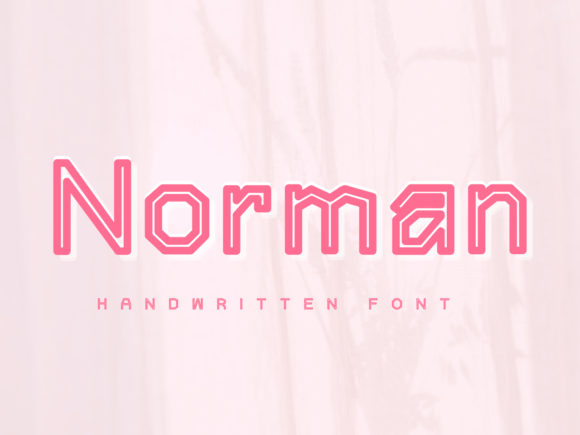
There's something undeniably inviting about a font that feels like it was written by a real person. In a world saturated with polished, digital perfection, that human touch can be the very thing that makes your project stand out. Norman is a sweet and friendly handwritten font that captures this essence perfectly. Its natural and unique style makes it incredibly fitting to a large pool of designs. The only limit is your imagination! Whether you're crafting a brand identity, designing a wedding invitation, or creating social media graphics that need a personal feel, this typeface offers a versatile solution that balances charm with clarity.
A Typeface with a Friendly Personality
At its core, Norman is a display script font with a distinctly approachable character. The letterforms are fluid and slightly irregular, mimicking the authentic flow of pen on paper. This isn't a stiff, formal calligraphy script; it's the kind of handwriting you'd see on a thoughtful note from a friend or a cozy café menu. The letters connect in a natural, flowing way that maintains excellent legibility—a critical feature often overlooked in decorative fonts. The style sits comfortably between playful and professional, making it suitable for projects that need to feel genuine without sacrificing a polished look. This balance is what makes it a strong contender for both personal and commercial font applications.
Practical Applications Across Creative Projects
The true test of any design asset is its versatility. Norman excels in numerous real-world scenarios, proving its value as a premium font for designers, entrepreneurs, and creators alike.
- Branding and Logo Design: For businesses that want to convey warmth, creativity, or artisanal quality, Norman can be a cornerstone of brand identity. Imagine it used for a boutique bakery's logo, a handmade soap company's packaging, or a children's book author's website. It helps build immediate emotional recognition.
- Marketing and Social Media: In the fast-scrolling world of Instagram or Pinterest, a handwritten font can stop the thumbs. Use Norman for quote graphics, promotional announcements, or story overlays to add a personal, engaging layer that feels less like an ad and more like a conversation.
- Print and Packaging Design: Physical materials benefit immensely from a human touch. Norman is ideal for product labels, thank-you cards, menu designs, or poster headlines. It draws the eye and creates a tactile feel, even on a flat surface, enhancing the unboxing experience or the appeal of a printed menu.
- Web and Digital Presence: While not for body text, Norman shines in web design for hero sections, blog post titles, or call-to-action buttons. Paired with a clean sans-serif font for paragraphs, it creates a dynamic and modern typography hierarchy that guides the reader's eye and establishes tone.
- Events and Special Projects: From wedding invitations and birth announcements to charity event programs and digital product covers, this font adds a layer of celebration and sincerity. It turns a standard invitation into a keepsake.
Integrating Norman into Your Design Workflow
Choosing the right font is just the first step. Using it effectively is what elevates your work. Here’s how to make the most of a handwritten font like Norman.
Font Pairing is Key. A script font rarely works alone for large blocks of text. The magic happens in combination. Pair Norman with a simple, geometric sans-serif font for body copy. The contrast between the organic, flowing script and the structured, neutral sans-serif creates visual interest and ensures your message remains clear. For a more classic or editorial layout, you might experiment with a traditional serif font, but ensure the serif has a clean, modern feel to avoid a cluttered look.
Context Dictates Use. Always consider the project's goal and audience. A handwritten font is perfect for a cozy indie brand but might feel out of place on a corporate financial report. Test Norman in different contexts: Does it work for a tech startup's blog? Probably not. For a sustainable gardening brand's packaging? Absolutely. Let the project's personality guide your typographic choices.
Mind the Details. Look at the full character set of the font you're considering. Does Norman include all the punctuation, numbers, and special characters you need? Are there stylistic alternates or ligatures that can add variety? Also, think about readability at different sizes. While perfect for headlines, it might need to be scaled up for clarity on small mobile screens or reduced for a subtle watermark.
Building a Cohesive Visual Identity
Consistency is the bedrock of strong branding. When you select a font like Norman for key elements—your logo, main headlines, or signature quotes—you create a recognizable visual thread. This consistency helps your audience instantly identify your content across different platforms, whether they're seeing a social media post, a website banner, or a printed brochure. It builds trust and professionalism, showing that you've thoughtfully curated every aspect of your presentation. The friendly nature of the font can also help soften the tone of your communication, making your brand feel more accessible and human.
Before finalizing any design, always test your typography in its intended environment. View it on a phone screen, print a proof, or mock it up on a product. Check how the font pairs with your chosen color palette and imagery. Does it complement or compete? The goal is seamless integration where the typography supports the overall message without drawing undue attention to itself. Norman's strength lies in its ability to add personality while still feeling like a cohesive part of the larger design system.
Finally, for any commercial project, always verify the licensing. Most premium fonts, including quality handwritten scripts, come with clear commercial licenses that allow for use in logos, merchandise, and digital products. Understanding these terms upfront protects your work and ensures you're using the font legally and ethically, which is a cornerstone of professional practice.
In the end, choosing a font is about finding the right voice for your project. Norman offers a voice that is warm, authentic, and remarkably adaptable. It’s a tool that doesn't just decorate a design but helps tell its story, inviting your audience in with every carefully crafted letter.