Pleng: A Script Font for Modern Branding & Design
Every brand has a voice. It’s not just in the words you choose, but in the visual language you create. The colors, the imagery, and—often the most subtle yet powerful element—the typography. Finding a typeface that doesn’t just convey information but also embodies a feeling is like finding a key piece of a puzzle. That’s the space where a font like Pleng operates, offering a distinct personality for projects that aim to feel both personal and polished.
The Refined Character of a Modern Script
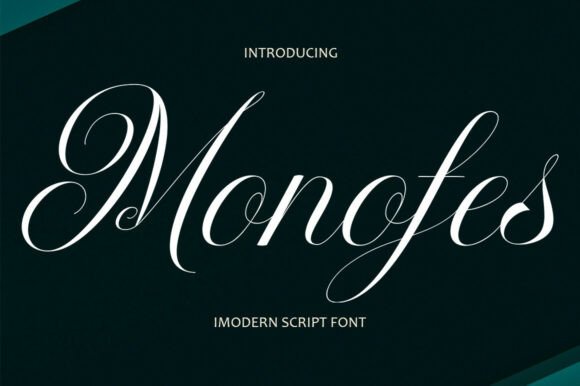
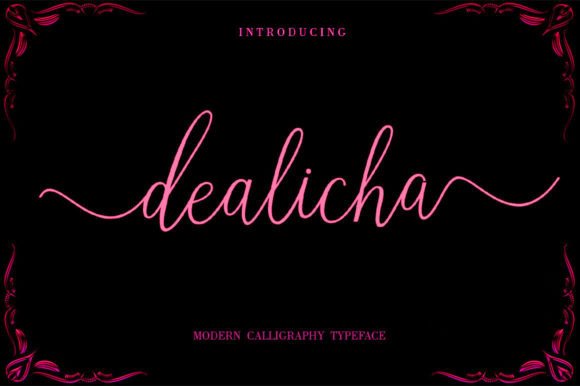
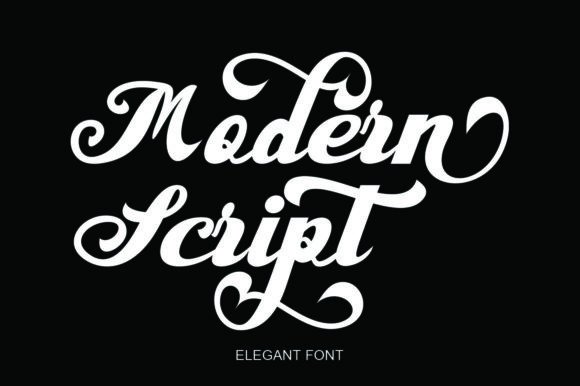
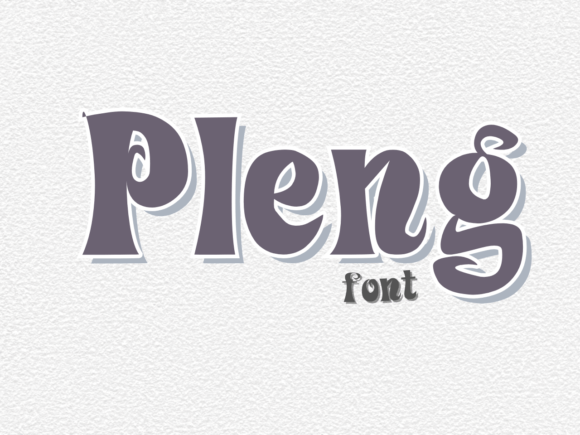
At its core, Pleng is a beautiful and refined script font. But what does that mean for your project? Think of it as the typographic equivalent of a perfectly tailored outfit. It has the flowing, connected nature of handwritten font styles, which introduces warmth and a human touch. Yet, its letterforms are carefully crafted with a classy, elegant and modern look. This isn’t a casual, scrawling script; it’s a premium font with intention. The strokes have a graceful rhythm, and the overall composition feels balanced, making it a versatile creative font for various applications.
This duality is its strength. It feels personal enough for a wedding invitation but structured enough for a boutique logo. It’s this blend of approachability and sophistication that allows it to function as more than just a display font—it becomes a foundational element of a visual identity.
Practical Applications Across Creative Projects
Understanding a font’s personality is one thing; knowing where to deploy it is another. The true value of a typeface like Pleng is realized in its application. Its style makes it particularly effective for projects where you want to convey care, quality, and a touch of artistry.
For logo design and brand identity, Pleng can be the cornerstone for businesses in lifestyle, beauty, fashion, artisanal goods, or professional services. It lends itself to creating a memorable wordmark that feels exclusive and crafted. In packaging design, it can elevate a product, suggesting that what’s inside is just as special as the presentation on the outside. Think of cosmetic labels, gourmet food packaging, or boutique retail bags.
Digital spaces are equally fertile ground. As a script font, it brings personality to social media graphics, making quotes, announcements, and promotional posts stand out in a crowded feed. For web design, it can be used strategically for hero text, section headings, or call-to-action phrases to draw the eye and set a mood, though pairing it with a highly readable sans serif font or serif font for body text is crucial. Bloggers and content creators can use it for featured images, headers, and digital product covers to build a cohesive and professional visual brand.
Print remains a powerful medium for this font. It’s a natural fit for invitations, greeting cards, and stationery. Its elegance translates beautifully to editorial design in magazines or lookbooks, especially for headlines or pull quotes. Even posters for events, art shows, or boutique sales can benefit from its stylish flair.
Integrating Pleng into Your Design Workflow
Adopting a new font into your toolkit requires a bit of strategy to ensure it works for you, not against you. Here’s how to approach it practically.
First, consider the goal. Are you aiming for luxury, whimsy, or approachable sophistication? Pleng’s inherent elegance leans toward the former two. Use it where you want to make a statement of quality, not necessarily for large blocks of instructional text.
Next, master the pairing. A script font rarely works alone for entire designs. Its true power is unlocked in combination. Pair Pleng with a clean, geometric sans serif font for a modern, balanced look. Alternatively, match it with a classic serif font for a more traditional, refined feel. The contrast in styles creates visual hierarchy and ensures readability for longer text passages.
Don’t forget to test. Always view your font choices in context. Type out the actual words you’ll use—your business name, a key phrase, a headline. Check the spacing between letters (kerning) and how specific letter combinations flow. A good commercial font like Pleng will typically include OpenType features like ligatures and stylistic alternates, which can solve tricky connections and add flair. Explore these in your design software.
Finally, understand the license. Since you’re likely using this for commercial projects—client work, merchandise, or business branding—ensure you have the correct commercial font license. This is a non-negotiable part of professional practice and protects both you and the font designer.
Building Visual Consistency and Professional Appeal
The consistent use of a primary font like Pleng across all touchpoints is a simple yet powerful branding technique. When a customer sees the same modern typography on your logo, your website, your Instagram posts, and your product packaging, it creates a seamless experience. This repetition builds brand recognition and communicates attention to detail.
A well-chosen typeface contributes directly to professional presentation. It signals that you’ve considered every aspect of your brand’s communication. For your audience, this translates to trust. Clear, intentional typography improves readability and guides the viewer’s eye, making your content more accessible and engaging. Whether it’s the header on a blog, the text on a digital product PDF, or the label on merchandise, the right font does the heavy lifting of making your content feel cohesive and credible.
In the end, selecting a font is a design decision with strategic implications. A script font like Pleng offers a specific voice—one of elegance and modern refinement. By understanding its character and applying it thoughtfully alongside complementary design assets, you can craft visuals that don’t just look beautiful, but also communicate the exact value and personality of your project, helping you connect with your audience on a more meaningful level.