Ashira: The Typeface That Gives Your Brand a Distinctive Voice
Every designer knows the feeling: you're deep in a project, the layout is coming together, the color palette is dialed in, but something feels generic. The typography is functional, yet it lacks a soul. It doesn't whisper, shout, or sing. It just sits there. This is where a typeface like Ashira steps in—not as a mere collection of letters, but as a character actor ready to take a leading role. It possesses an identity so distinct that it can single-handedly elevate a piece from standard to memorable, whether it's gracing a wedding invitation, defining a startup's logo, or giving structure to a digital planner.
More Than Letters: Understanding the Personality of a Font
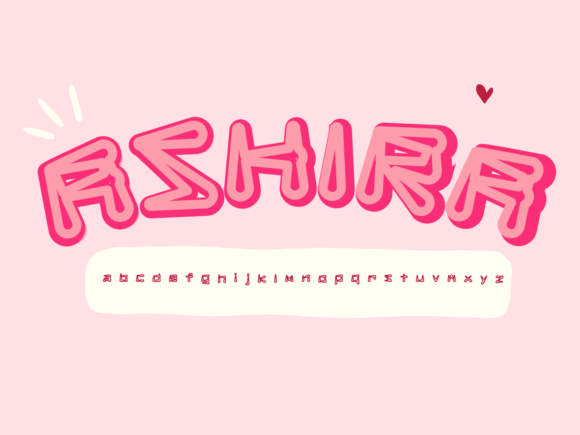
Ashira isn't just another script or display font. To use it effectively, you need to understand its personality. Imagine it as a well-dressed friend who is both elegant and approachable. Its strokes have a confident, flowing rhythm that suggests creativity and movement, yet they are grounded enough to maintain clarity. This duality is its superpower. It can feel luxurious on a high-end product label, personal on a handwritten-style note, and bold on a poster headline. This inherent character is what makes it a powerful tool for visual communication. It doesn't just display words; it interprets them, adding a layer of emotional resonance that a neutral sans-serif cannot.
Where Distinctiveness Meets Practicality: Real-World Applications
The true test of a creative font is how it performs in the wild. Ashira's versatility allows it to adapt to numerous contexts, each time bringing its unique flair. Consider these practical applications where its identity shines:
- Brand Identity & Logo Design: For a boutique, artisan coffee roaster or a handmade jewelry line, Ashira can become the cornerstone of the brand mark. Its distinctive letterforms create instant recognition, helping a small business stand out in a crowded marketplace. It suggests a brand that values craftsmanship and personality.
- Editorial & Packaging Design: On the cover of a food magazine or the label of a craft gin bottle, this typeface acts as a visual magnet. It draws the eye and sets a specific tone—be it rustic, sophisticated, or whimsical—before a single word of body copy is read. This is modern typography used strategically to tell a story.
- Digital Presence & Social Media: In the fast-scrolling world of Instagram or Pinterest, a static post can disappear. Using Ashira for a key quote, a sale announcement, or a course title in a graphic adds instant visual interest. It helps create a cohesive and professional look across social media graphics, making a feed feel curated rather than random.
- Invitations & Print Collateral: The wedding and event industry thrives on personalization. Ashira excels here, transforming standard wedding cards and invitations into keepsakes. Its handwritten quality feels intimate, while its clear structure ensures all critical information remains legible. The same principle applies to business cards, brochures, and thank-you notes.
- Digital Products & Marketing Assets: For creators selling Goodnotes planners, printable quotes, or online course materials, font choice is critical. A premium font like Ashira immediately increases the perceived value of a digital product. It signals quality and care, which can directly influence a customer's purchasing decision.
Building a Cohesive Visual Language with Typography
Using a distinctive display font like Ashira is a powerful move, but its effectiveness multiplies when integrated thoughtfully into a broader system. The goal is to create a visual language where every element speaks in harmony. This is where the principles of font pairing and readability come into play.
Ashira is a star player, but it needs a supporting cast. For body text—on a website, in a brochure, or in a planner—you need a highly readable companion. Pairing it with a clean, simple sans serif font for paragraphs creates a beautiful contrast. The display font captures attention and conveys emotion, while the sans-serif delivers information effortlessly. This contrast not only looks professional but also guides the reader's eye, establishing a clear visual hierarchy. For example, using Ashira for all major headings and a font like Lato or Open Sans for the body text creates a balanced, engaging layout.
Always prioritize readability. A font's personality is useless if the message gets lost. Test Ashira at various sizes to ensure its elegant details don't become a jumble in smaller text blocks. It's typically best reserved for larger applications: titles, logos, pull quotes, and headers. For long-form reading, always default to a typeface designed for that specific purpose. This careful consideration is what separates amateur work from professional design.
From Concept to Final File: Making the Most of Your Asset
When you invest in a quality typeface, you're not just buying a single file. A well-developed font like Ashira often comes with a family of styles—perhaps different weights, alternates, or ligatures. Explore these options. An alternate 'g' or 's' might be the perfect solution for a tricky logo lockup. Understanding the full range of what's included allows you to unlock its full creative potential.
Equally important is understanding the license. If you're using the font for client work, merchandise, or digital products for sale, you need a commercial font license. This isn't just a legal formality; it's an ethical practice that supports the designers who create the tools we rely on. Always review the license terms to ensure your usage is covered, whether for a single logo or a thousand printed t-shirts.
Ultimately, a typeface like Ashira is a design asset, a tool in your creative arsenal. Its value lies not in its complexity, but in its ability to communicate a feeling instantly. By understanding its personality, pairing it wisely, and applying it to the right projects, you can use it to add that sought-after distinctiveness to your work. It’s about giving your letters a unique look so that your brand, your client's message, or your creative project doesn't just speak—it resonates.